Agronomy
How do you achieve better plant health and higher yields? Agronomy is the science of soil management and crop production, and these videos feature a wide array of topics that help protect and improve crops all throughout the season. If you want to build better crops, this is the place to start.


-
Hungry Plants | Ag PhD
Darren Hefty tells us how farmers manage crop nutrients throughout the season. You have to feed your plants before they feed you.
-
An Introduction to FMC's Zironar™ biofungicide/bionematicide
Introducing Zironar™ biofungicide/bionematicide, a new biological product from FMC. This product provides early-season protection against critical fungal diseases and soil nematodes along with a biostimulant effect to help boost yields and enhance plant health. Learn from Matthew Pye, FMC biologi...
-
Two Ways Your Wheat Herbicide Could Transform Other Crop Acres | FMC
Many growers in Oklahoma and the Texas Panhandle are familiar with the proven performance of Anthem® Flex herbicide when it comes to tackling annual ryegrass and other tough weeds in winter wheat. What they may not know, however, is the product’s versatility and use opportunities. Anthem Flex her...
-
Spray Tank Cleanout, Post Emerge Soybean Residuals, Late-Season Corn Herbicides
Brian and Darren Hefty discuss spray tank cleanout for homes & farms, post-emerge residual herbicides in soybeans, and late-season weed control in corn.
-
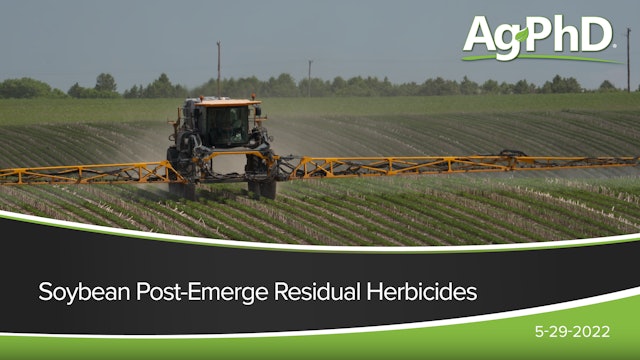
Soybean Post Residual Herbicides | Ag PhD
Pre-emerge herbicides are key to raising a good crop. However, what you spray post-emerge in soybeans will help you for a longer time. Brian and Darren talk about their two favorite products in this segment.
-
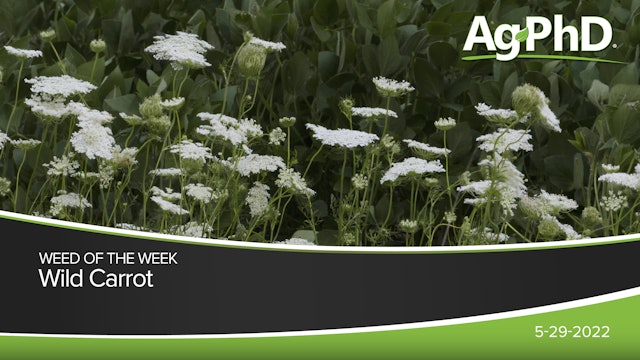
Wild Carrot | Ag PhD
You may find wild carrot in pastures and especially in your ditches. Brian and Darren tell you what to spray in the fall to control this not-so-tasty weed.
-
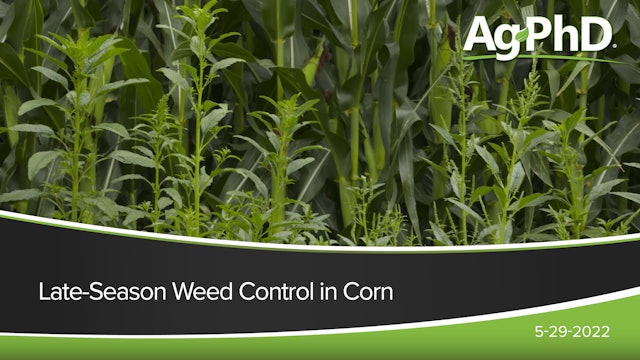
Late-Season Corn Weed Control | Ag PhD
Controlling weeds is a non-stop battle for farmers. Brian and Darren Hefty give you the best options for protecting your corn crop in the last months of the season.
-
What Are The Early Indicators of a High Yield Bean? | XtremeAg
AgXplore's Brewer Blessitt explains what early factors have a direct correlation with high yielding beans in his most recent visit to Miles Farms.
-
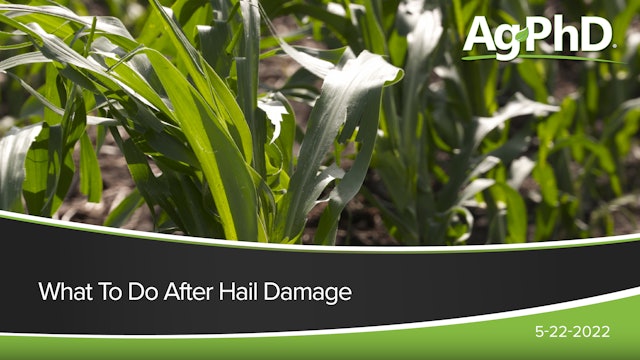
What To Do After Hail Damage | Ag PhD
Hail damage in crops may not be as bad as it first seems. Brian and Darren discuss steps you can take to evaluate your crops after a hail storm.
-
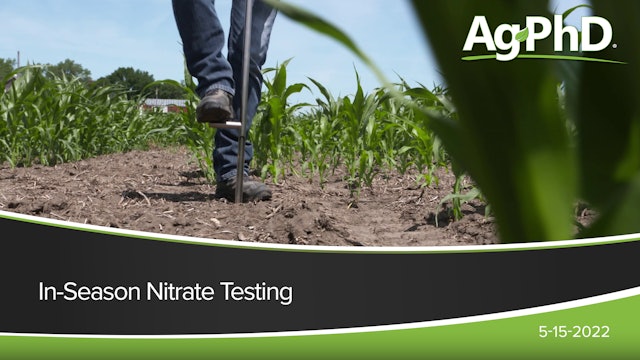
In-Season Nitrate Testing | Ag PhD
Continual Soil testing is fundamental to smart farming. Brian and Darren tell you why it's so important to check your nitrogen levels in your soil when your corn and wheat crops are growing.
-
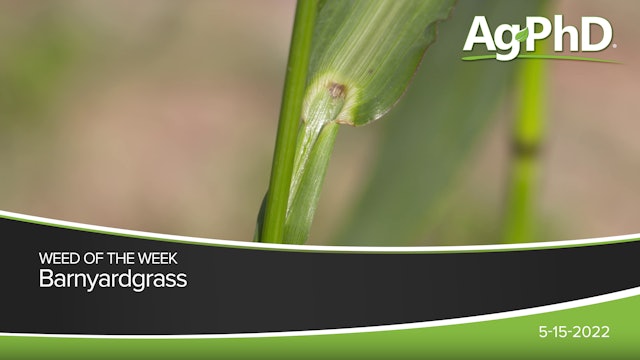
Barnyardgrass | Ag PhD
Barnyardgrass is an annual grass weed with no ligules that can easily be controlled in corn, soybeans, and wheat.
-
In-Season Nitrogen Tests, Spray Dicamba Safely, Corn & Soybean Staging | Ag PhD
Staging corn & soybeans, corn & wheat nitrate soil sampling in-season, avoiding issues when spraying dicamba, barnyardgrass control, and combine header maintenance with the DISCruptor.
-
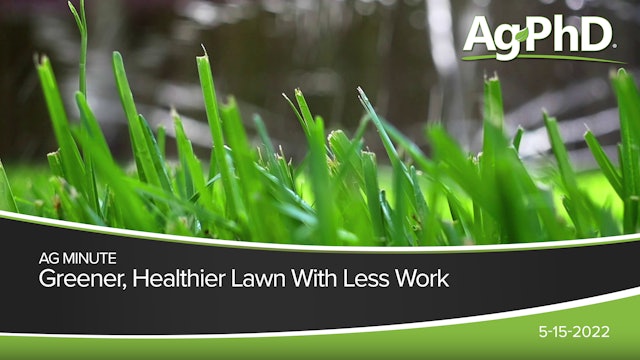
Greener Healthier Lawn With Less Work | Ag PhD
Soil sampling and less frequent watering can turn your yard into the lush lawn you've always wanted.
-
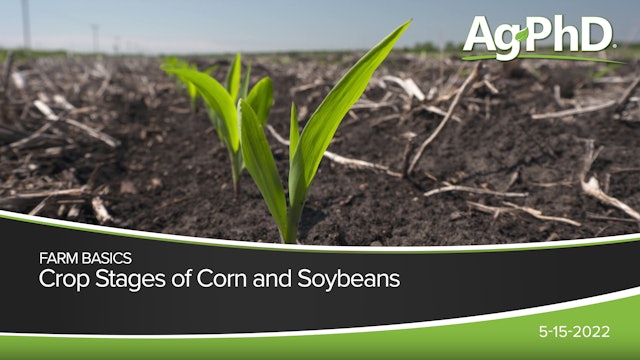
Crop Stages of Corn and Soybeans | Ag PhD
Brian and Darren describe the different stages of corn and soybeans from emergence to harvest. The crop will change quickly as it matures, each new stage brings new ways to prepare it for getting the most yield possible.
-
360 Yield Center: The Drive Behind Product Innovation
With a long history of innovation in farm equipment and technology, Gregg Sauder shares some of the things that motivate him to keep inventing.
-
Savings Demonstration with 360 YIELD SAVER
Reduce header loss by 80% or more with 360 YIELD SAVER.
Learn more at https://www.360yieldcenter.com/products/360-yield-saver/
-
360 CHAINROLL
Speed up residue breakdown with 360 CHAINROLL.
Learn more at https://www.360yieldcenter.com/products/360-chainroll/
-
Reducing Nitrogen Cost in Corn Production | 360 Yield Center
We tested application methods and timing in a large scale nitrogen plot. This video shows how keeping flexibility in your nitrogen timing can allow your to increase efficiency and lower N cost per bushel of corn.
-
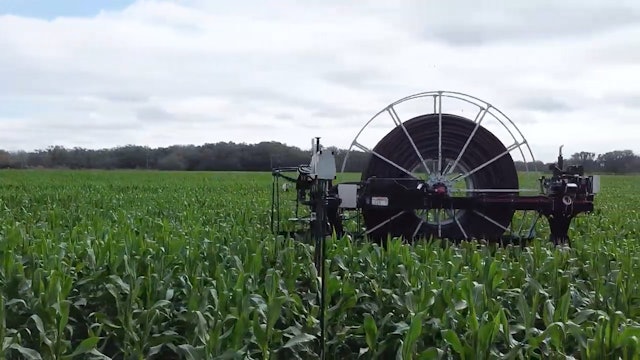
Making a Splash with 360 RAIN
By delivering bands of water directly to the base of the plant, 360 RAIN provides advantages over traditional irrigation methods. With a 60-foot boom (24 rows), 360 RAIN applies water through Y-DROP style hoses. Up to 2,600 feet of 3-inch diameter hose is dispense by a computer-controlled reel. T...
-
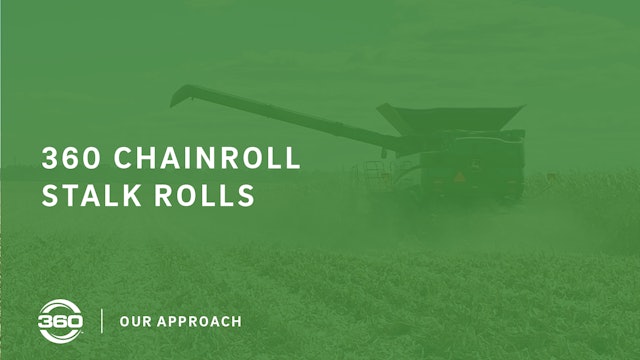
360 CHAINROLL Stalk Rolls
360 CHAINROLL is a replacement stalk roll system for corn heads. Developed by 360 Yield Center, the rolls size corn residue for optimum breakdown by soil microorganisms. That helps improve nitrogen availability in the spring for the growing corn crop. This video shows how 360 CHAINROLL crimps ...
-
More Grain in the Tank with 360 YIELD SAVER
Cut header loss by an average of 80% with 360 YIELD SAVER replacement gathering chains. Kernel savings mean you get a fast payback.
-
Upgrade to 360 Y-DROP Sidedress for Less Weight and Maintenance
Southwest Michigan grower, Jon Drozd, converted his Blue Jet bar from coulters to 360 Y-DROP Sidedress. He enjoys the lighter bar, less maintenance, and better placement. "It made the rig simpler and trouble-free."
-
User Experiences with 360 CHAINROLL
Hear what users say about the performance of 360 CHAINROLL
-
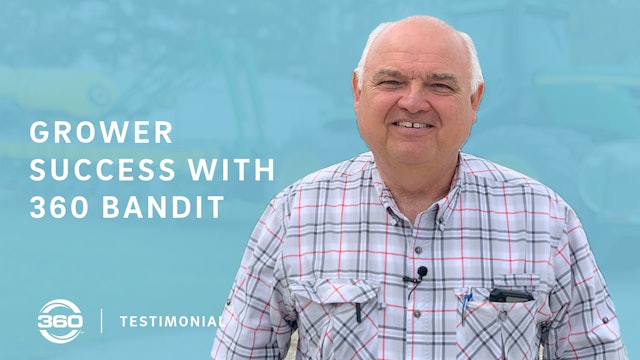
Grower Success with 360 BANDIT
Corn growers from across the country are relying on 360 BANDIT as their planter N solution. Find out why.
https://www.360yieldcenter.com/products/360-bandit/